An Inside Look at the Collision Repair Process in Auto Body Shops
An Inside Look at the Collision Repair Process in Auto Body Shops
Blog Article
Accidents on the road are an unfortunate reality and can leave your vehicle needing significant repairs. Collision repair involves a range of services aimed at restoring damaged vehicles to their pre-accident condition. Whether it's a small dent or major structural damage, understanding the intricacies of collision repair is essential for every car owner. The quality of repairs can greatly influence your vehicle's performance and safety learn more. If you’re searching for professional assistance, an auto body repair shop with a solid reputation can provide the repair services necessary to restore your car. For specifics on collision repair services in Houston, to find specialized solutions tailored for your vehicle's needs. Collision repair is an exhaustive process that typically involves several stages, adjusting based on the severity of the damage incurred. When a vehicle is in an accident, various elements may be compromised such as the body structure, the paint finish, and mechanical systems. The principal aim of collision repair is to restore the vehicle to its original factory condition. The first step taken by the auto body shop is a thorough evaluation of the vehicle to detect all damaged areas. This inspection is crucial as it includes assessing hidden damages that may not be easily noticeable. Upon completing the assessment, a detailed repair estimate will be provided, highlighting what repairs are necessary along with their associated costs. Services generally offered include frame straightening, panel replacement, painting, and refinishing. Each of these steps is critical to ensuring that the vehicle not only looks immaculate but also retains its structural soundness, ensuring safety on the road. The techniques used in collision repair can vary widely, depending on the type of damage encountered. For minor scratches and dents, methods such as paintless dent repair may be applied, which avoids the need for repainting. This non-invasive technique helps maintain the original paint on the vehicle. In instances of more serious damage, conventional repair techniques often include the extraction of damaged components and their replacement with either new or refurbished parts. This process guarantees that the vehicle regains a condition that closely mirrors its original factory state. After the repairs are undertaken, processes such as sanding and repainting are performed to create a perfectly smooth finish. Employing modern tools and technology is crucial throughout this process, especially in the realm of auto body collision repair. The use of laser precision measurements and computerized paint matching plays a significant role in enhancing overall quality and precision, ultimately resulting in a superior outcome. Finding a reliable collision repair shop doesn’t have to be overwhelming, especially when you focus on a few essential aspects. To begin with, look into auto body shops that hold certifications, as these credentials often reflect a commitment to maintaining quality standards in their services. Additionally, take the time to read through customer feedback and testimonials; this firsthand information can reveal a lot about the level of service and satisfaction experienced by previous clients. Moreover, be sure to inquire about any warranties the shop provides. A trustworthy collision repair center typically backs its work with warranties covering both parts and labor, giving you reassurance that you’re covered should any problems arise post-repair. Lastly, it’s a good idea to find out about the materials used during the repair process, as high-quality components are crucial for ensuring the durability and safety of the repairs performed. Understanding the costs associated with collision repairs is essential for planning your budget following an accident. Costs can vary widely based on factors such as the severity of the damage and the type of repairs needed. For minor cosmetic repairs, costs may range from a few hundred to a thousand dollars. However, extensive damage, particularly in structural components, can lead to bills in the thousands. When estimating repair costs, it’s crucial to obtain quotes from multiple auto body repair shops. This allows you to compare pricing and also understand the services included. Keep in mind that going for the lowest cost option may not always be the best choice, as it could compromise quality. Always prioritize shops that offer excellent service and warranties over just price considerations. For more detailed breakdowns, refer to resources like the automobile repair page on Wikipedia, which offers comprehensive information about various types of vehicle repairs. Being prepared can significantly enhance your experience with collision repairs. Take these tips into account.Steps to Follow for Effective Collision Repair
Delving into Collision Repair Fundamentals
Popular Techniques in Collision Repair
Choosing the Right Collision Repair Shop: Key Factors
The Cost of Collision Repair: What to Expect
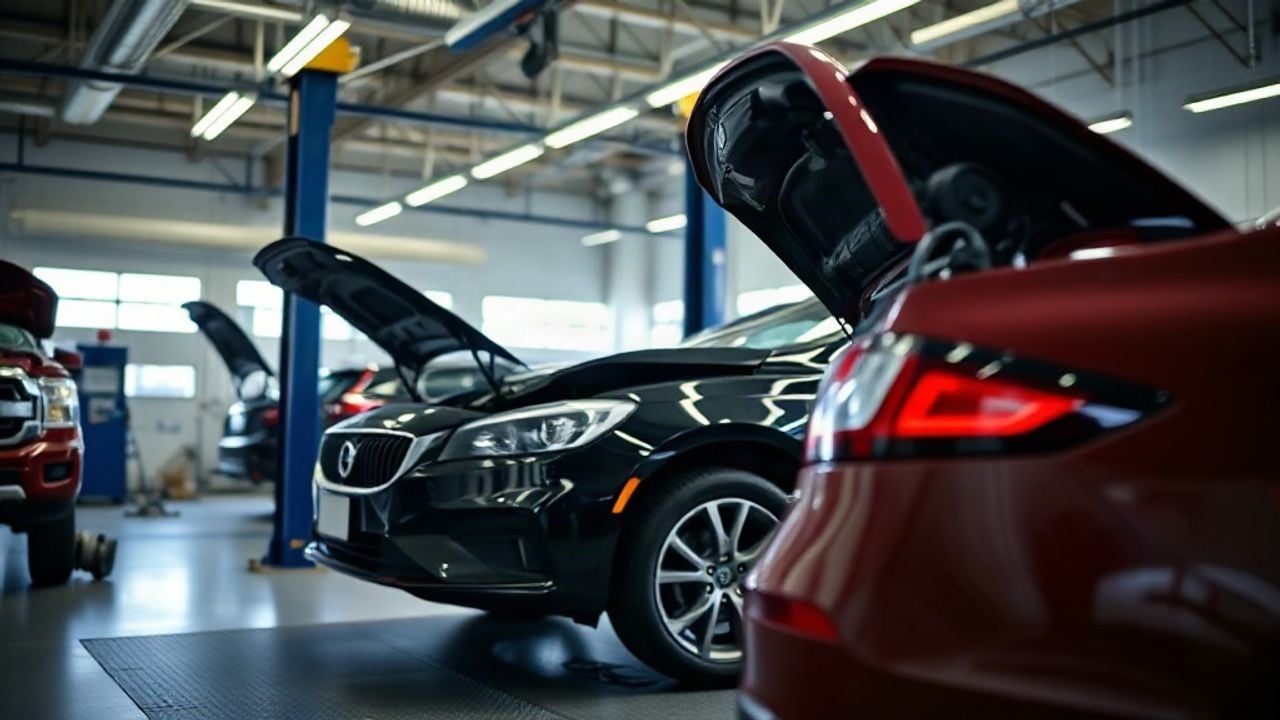 auto body shopauto body repair shop
Tips for a Smooth Collision Repair Experience
collision repair
Frequently asked questions
What is collision repair?
Collision repair is defined as the series of processes aimed at restoring a vehicle to its pre-accident condition after it has been involved in a crash. Repair tasks can include fixing the framework, mechanical components, and body parts of the vehicle, accompanied by repainting and detailing for a fresh look.
How do I choose a collision repair provider?
When selecting a collision repair provider, consider verifying their certifications, reviewing feedback from prior customers, checking for warranties, and collecting estimates from various repair shops. This approach helps you ensure that you're making an informed decision for high-quality repair services.
How much does collision repair cost?
Costs associated with collision repair fluctuate significantly, depending largely on the level of damage you are dealing with. Simple repairs can be quite affordable, costing only a few hundred dollars, while substantial repairs may run into the thousands. It is beneficial to obtain multiple estimates to better comprehend the potential costs.
What are common types of collision repairs?
Several common types of repairs are needed after a collision, including repairs to the vehicle's frame, panel replacements, paintless dent repairs, scratch fix-ups, and complete vehicle refinishing. The exact services required will largely depend on the extent of the collision's destruction.
Do all collision repair shops offer warranties?
Many collision repair shops do not provide warranties, so it’s important to confirm this information prior to consenting to repairs. Most trustworthy shops tend to guarantee their work through warranties that cover both the components used and the labor performed.
The importance of collision repair cannot be overstated; it plays a key role in maintaining both the safety and appearance of your vehicle. Gaining knowledge about the repair procedure, associated costs, and selecting a reliable service provider can significantly improve your experience following an accident. Emphasizing quality is essential for ensuring your vehicle's continued safety on the road.
By focusing on meticulous care throughout the repair process, your vehicle can be effectively restored, allowing you to drive again with confidence. It’s crucial to make well-informed decisions and seek advice from trusted auto body shops for optimal outcomes.